








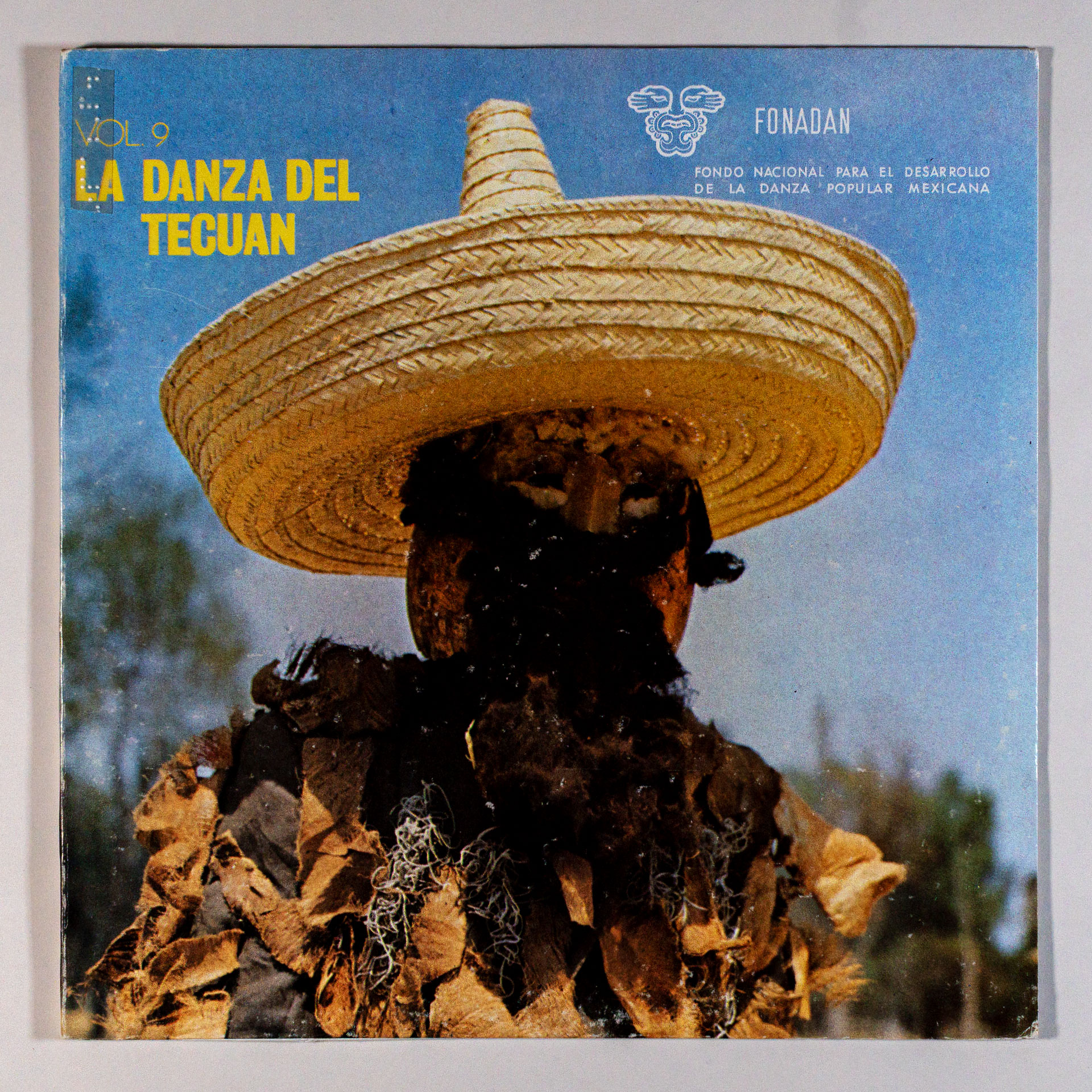
THE DANCE OF THE TECUAN
THE DANCE OF THE TECUAN. "Tecuán" is a word of Nahuatl origin that literally means devourer or man-eater, often translated as beast. This meaning is present in the character of
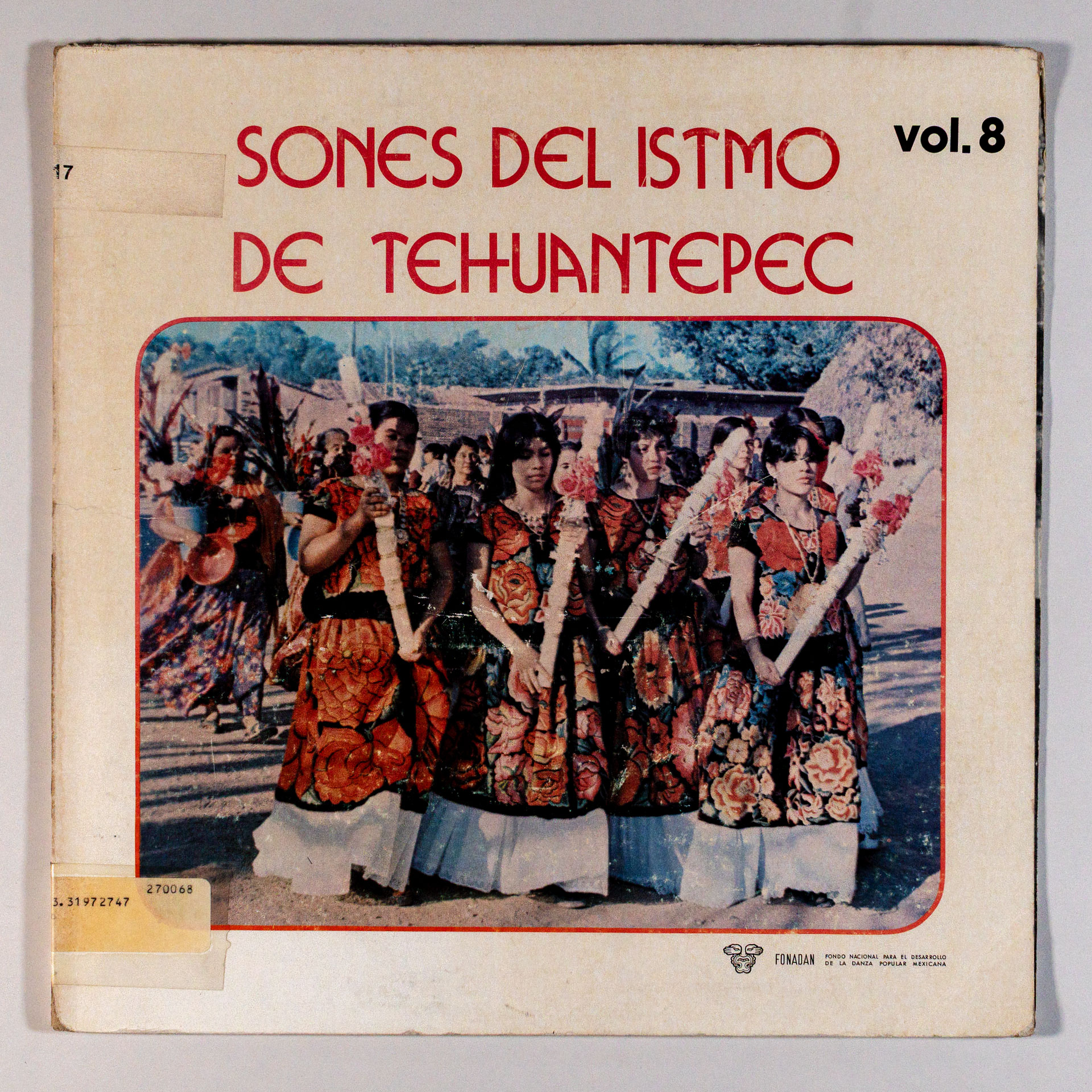
SONES FROM ISTHMUS OF TEHUANTEPEC
SOUNDS FROM ISTHMUS OF TEHUANTEPEC. Ixhuatan is a trilingual town: they speak Spanish, Zapotec and in some of their neighborhoods, Huave. The largest number of its inhabitants came from a
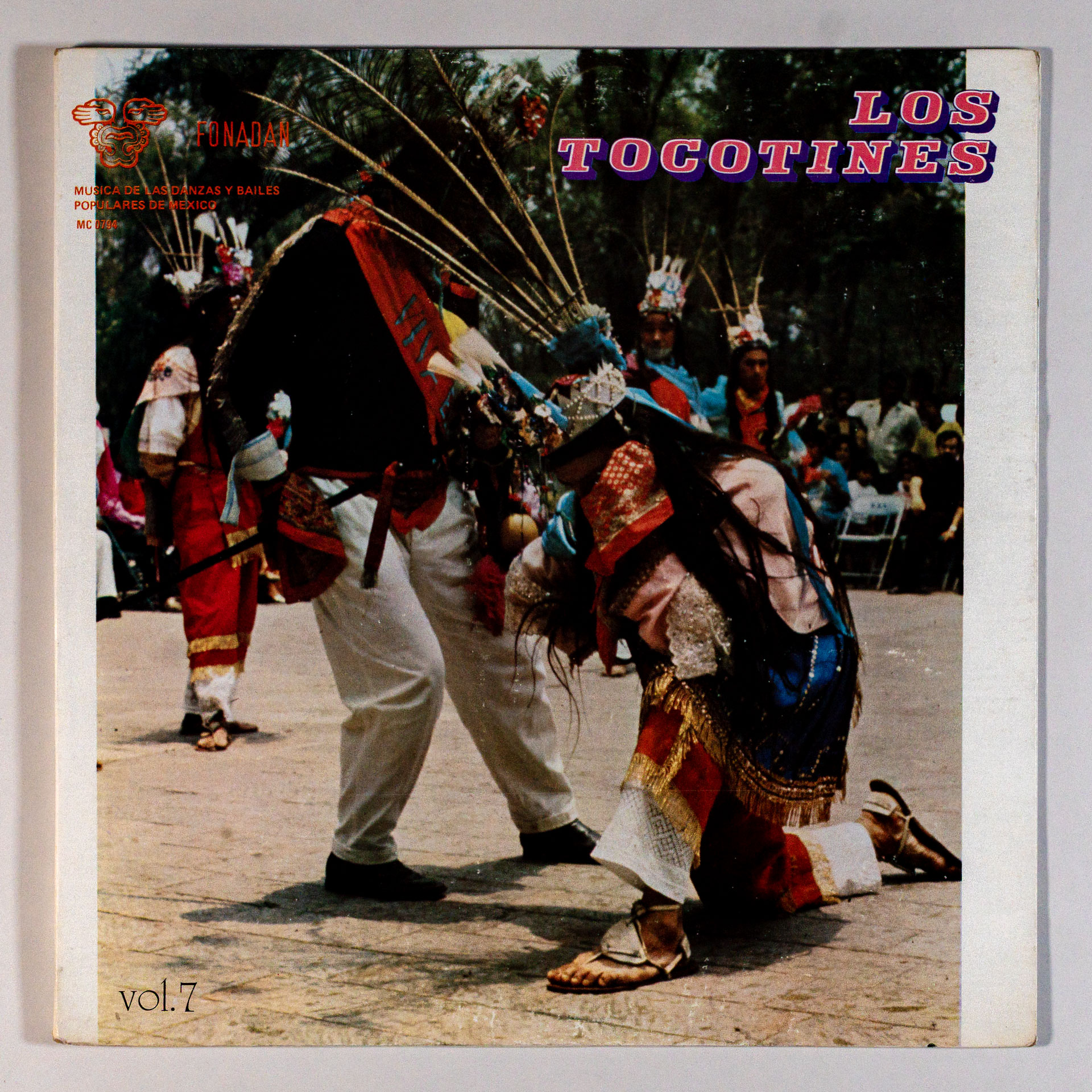
THE TOCOTINES
THE TOCOTINES. The dance represents the visit of Cortés to Moctezuma, accompanied by his courts and groups of vassals, the plot of the dance is the petition of Hernán Cortés
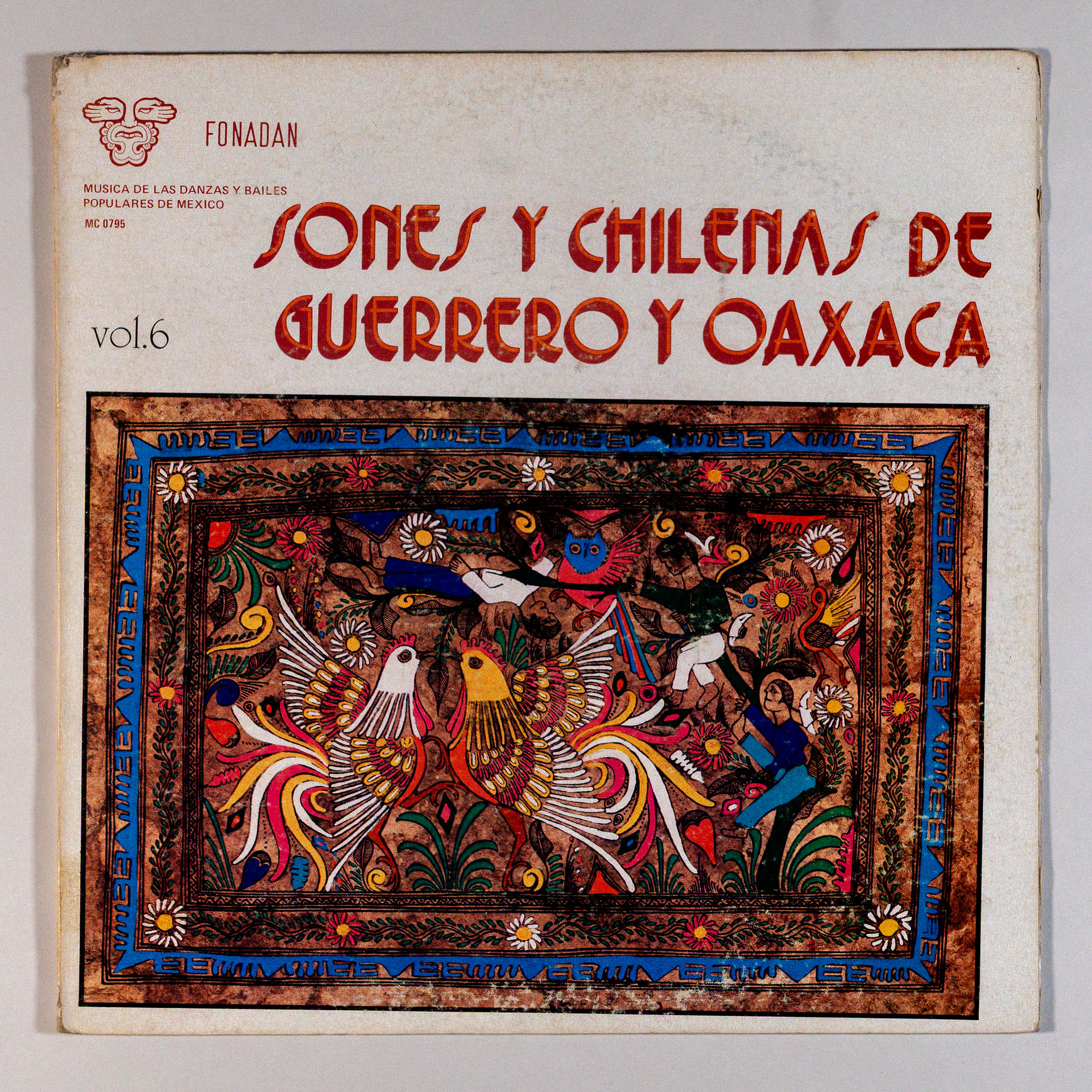
SONES AND CHILENAS OF GUERRERO AND OAXACA
SONES AND CHILENAS OF GUERRERO AND OAXACA. The Zamacueca or Chilena, like much of the Creole music of Latin America, has roots in the Spanish Fandango both in the choreographic
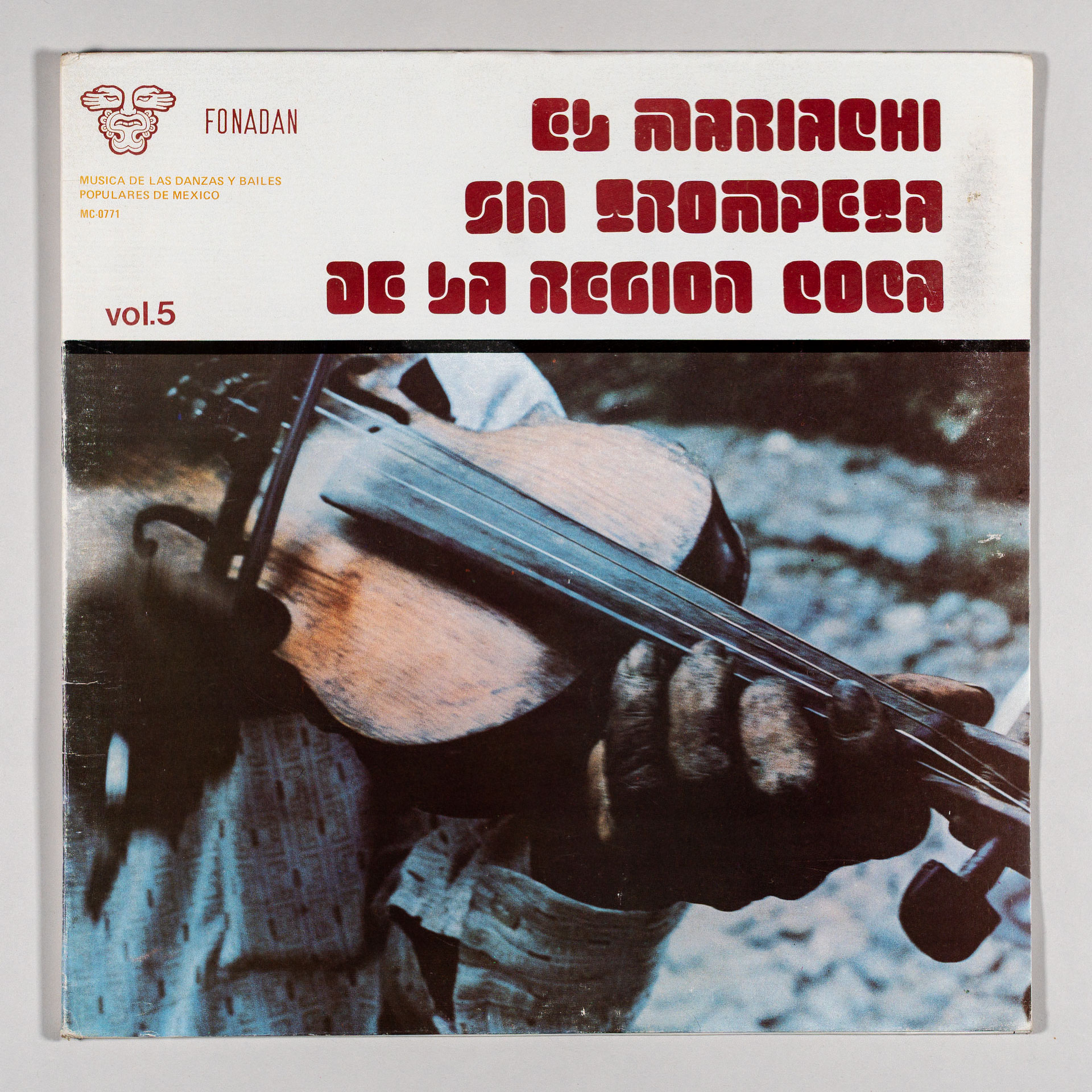
THE MARIACHI WITHOUT TRUMPET FROM THE COCA REGION
THE MARIACHI WITHOUT TRUMPET FROM THE COCA REGION. "The mariachi without trumpets": would be redundancy to the suggestive word; if with this we did not want to remind our youth,
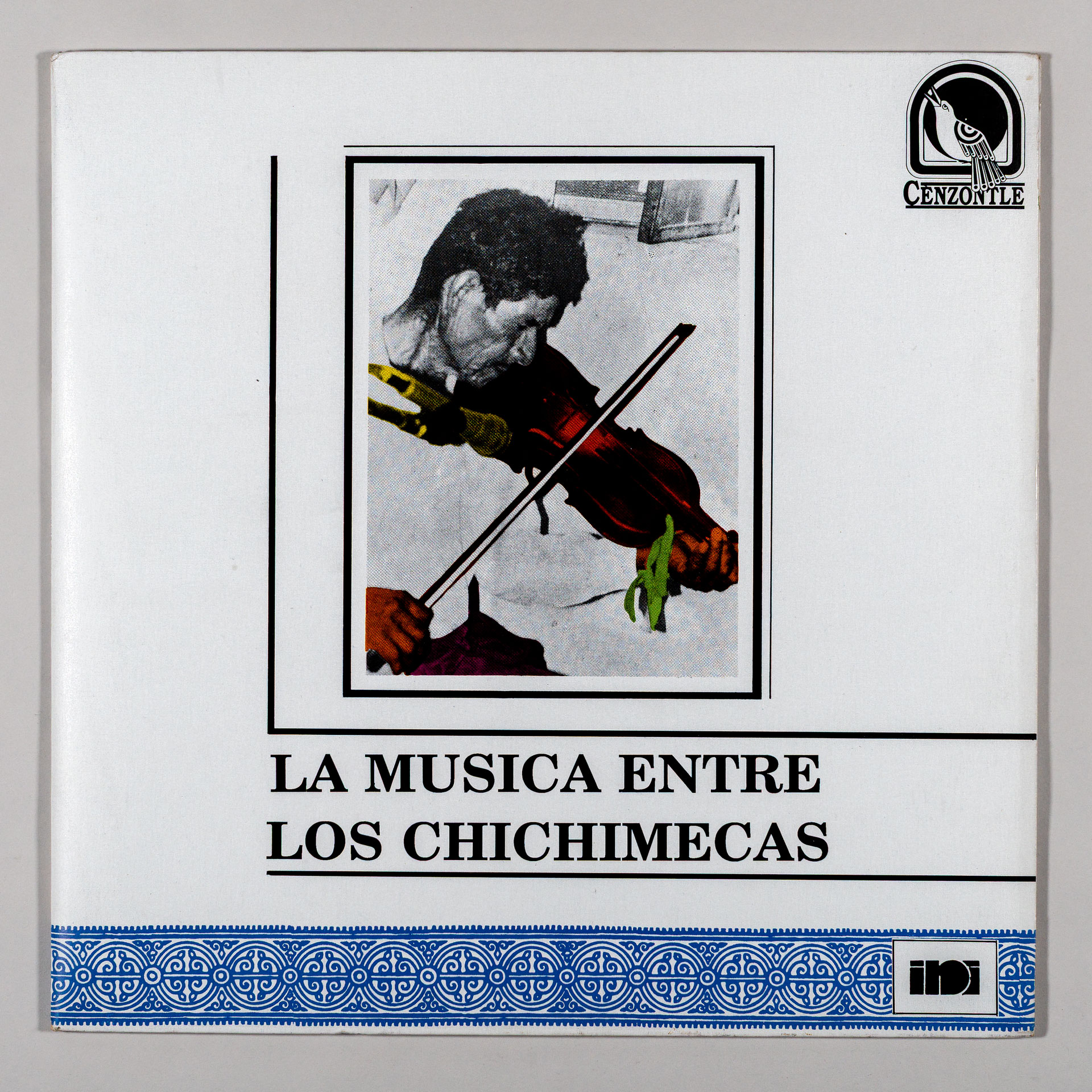
Music Among the Chichimecas
Music Among the Chichimecas, part of the Cenzontle series published by the Instituto Nacional Indigenista (INI), brings together field recordings documenting the musical traditions of the Chichimeca people of San
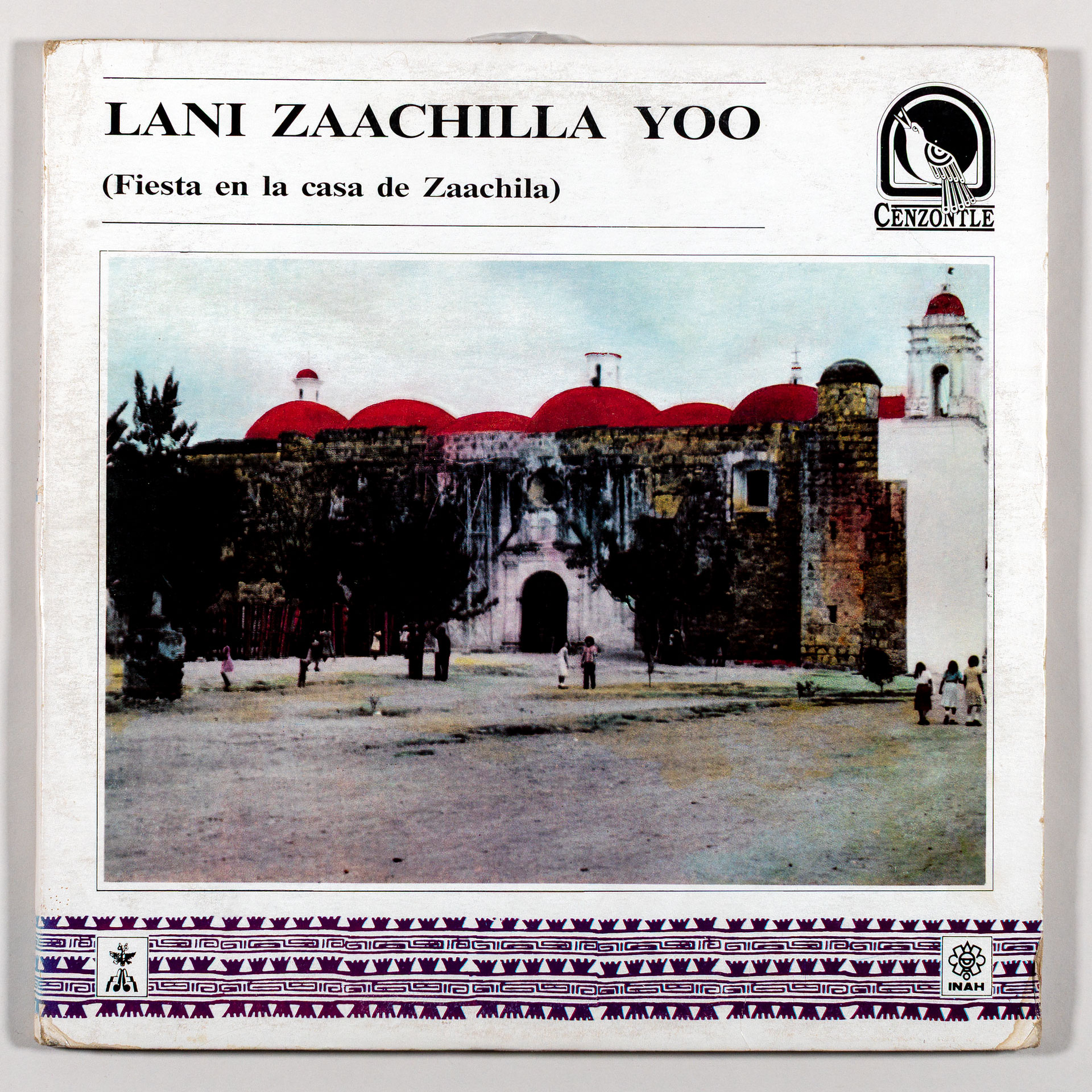
Lani Zaachilla Yoo
Lani Zaachilla Yoo (Celebration in the House of Zaachila) brings together the music of Banda Baalachi, “The Joy of the Valley,” across three records. Recorded in 1990 and released in
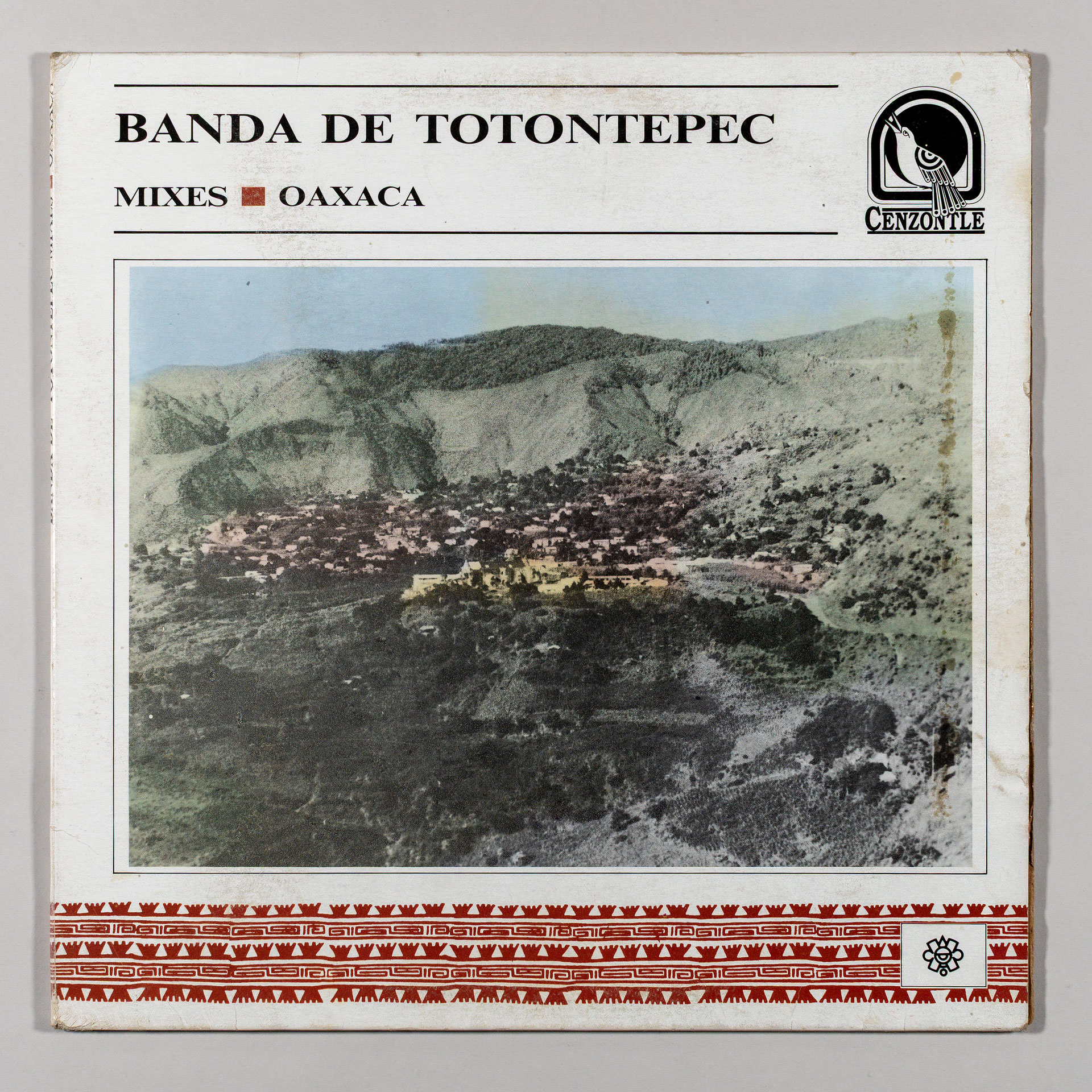
TOTONTEPEC MIXES BAND – OAXACA
TOTONTEPEC MIXES BAND - OAXACA. The Mixe group has been described as an isolated people who vigorously maintain a traditional ancient culture. But, this description does not agree with the